
Call us now :07971190807
 Send Inquiry
Hakka Noodle Making Plant
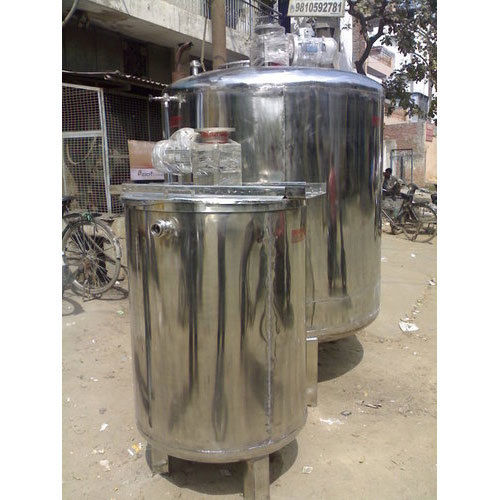
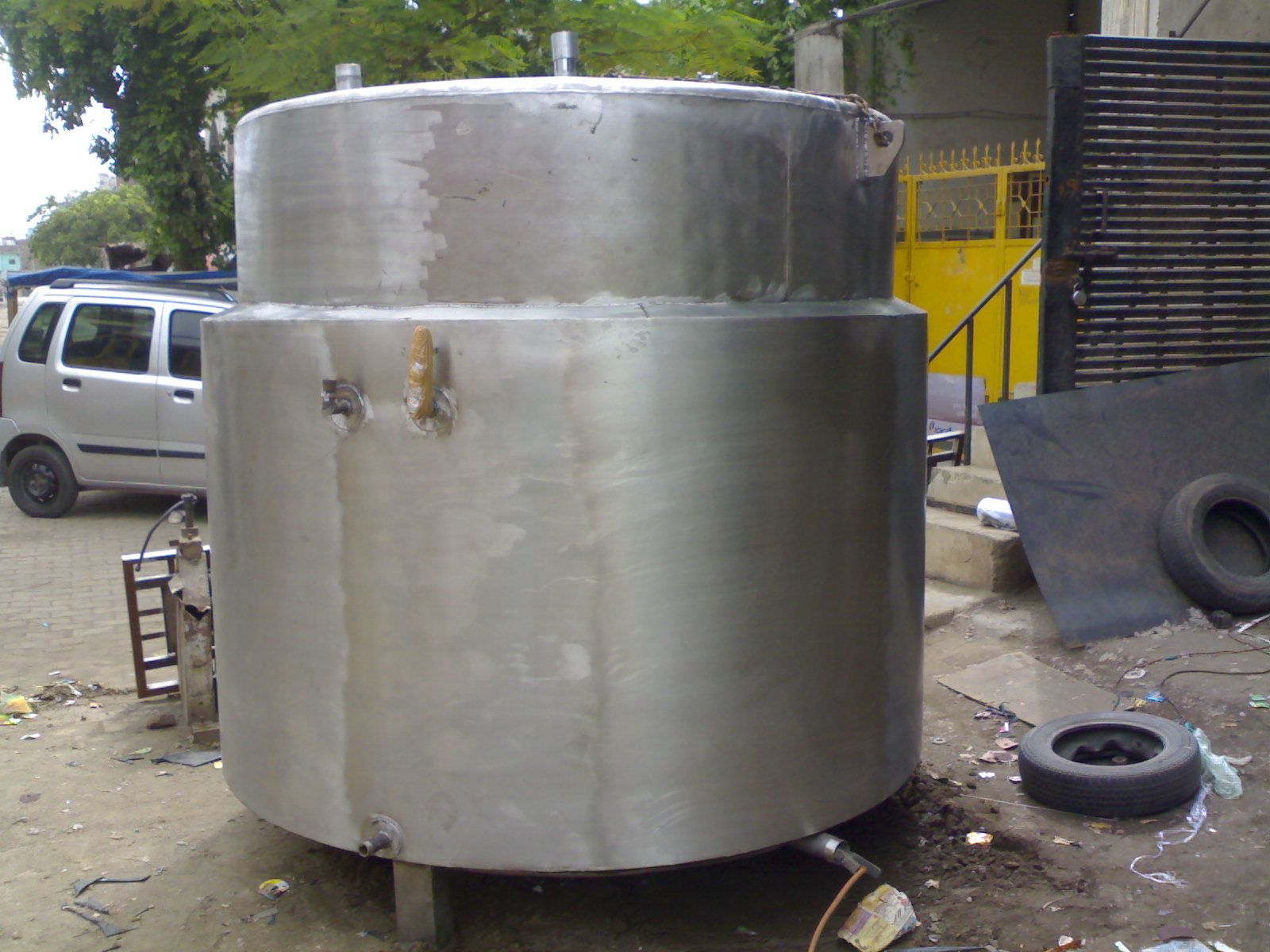
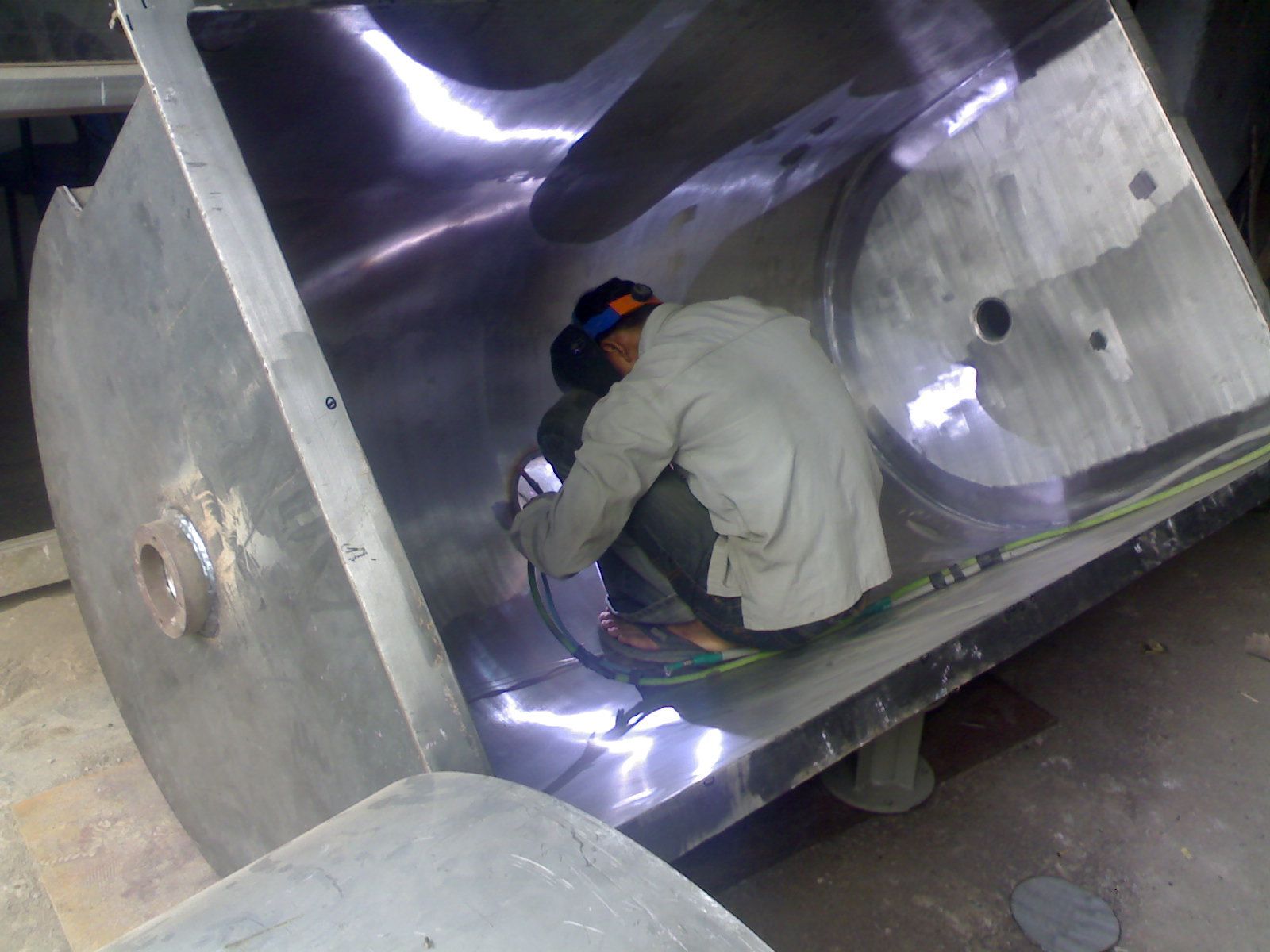
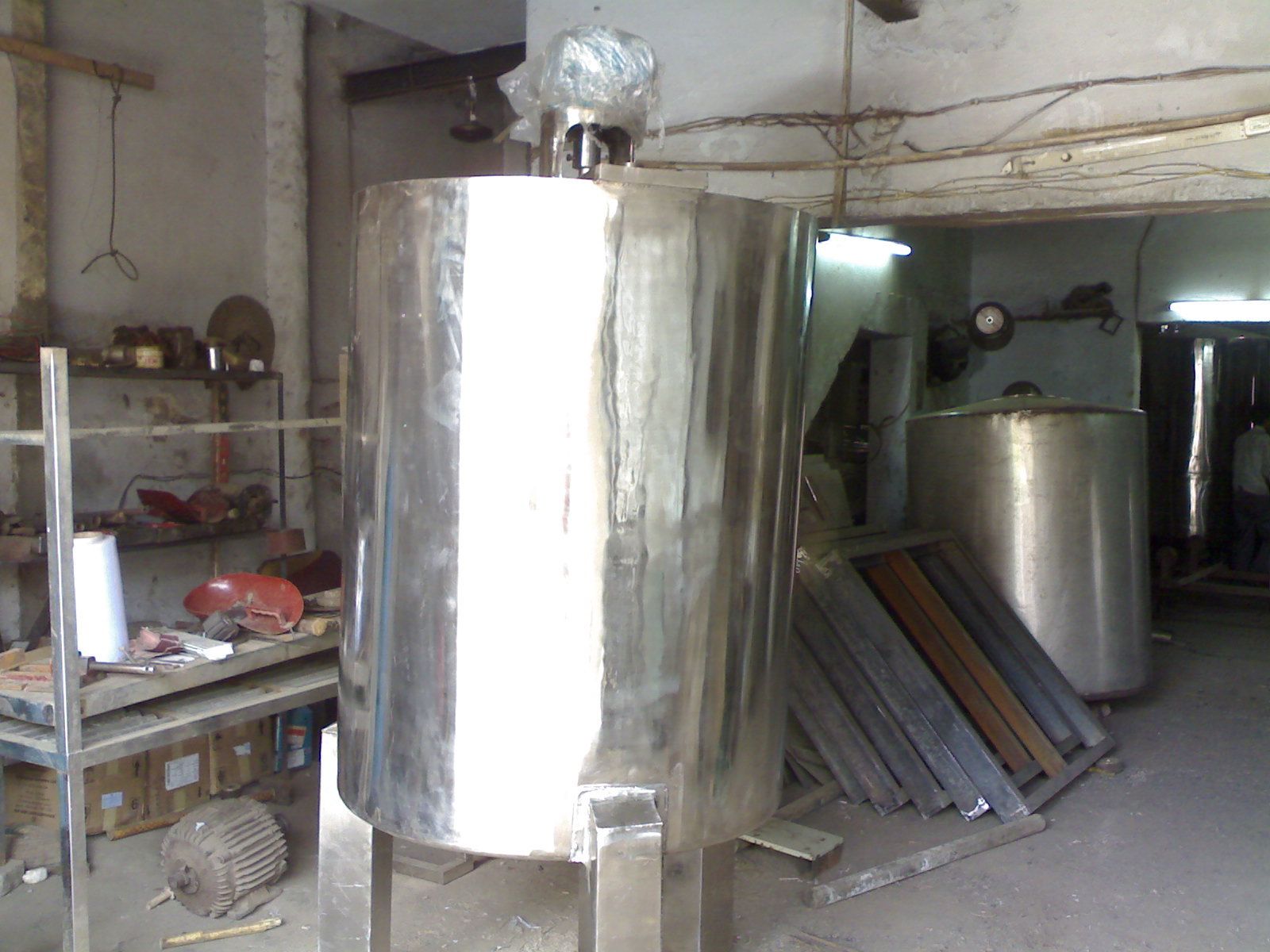
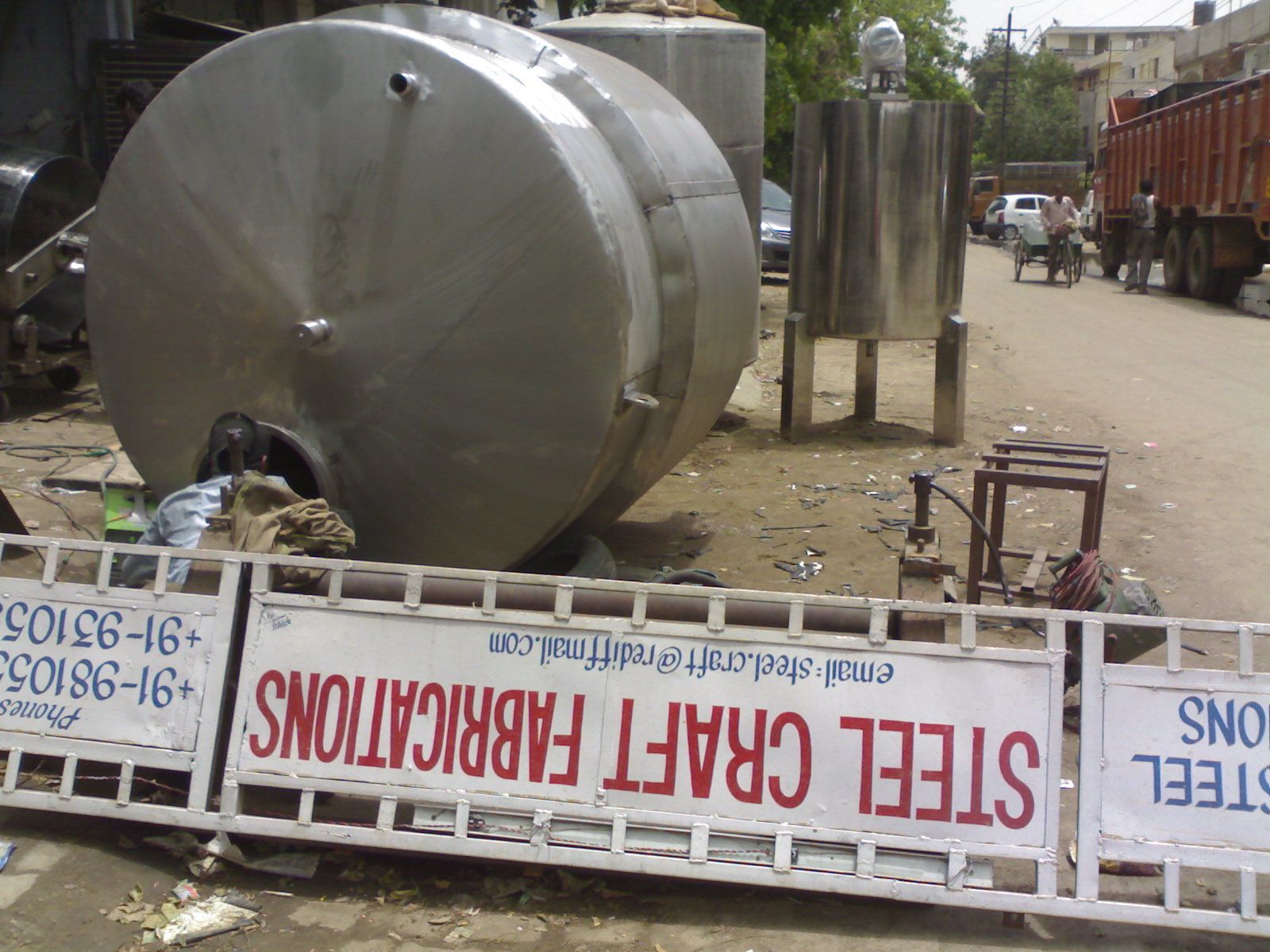
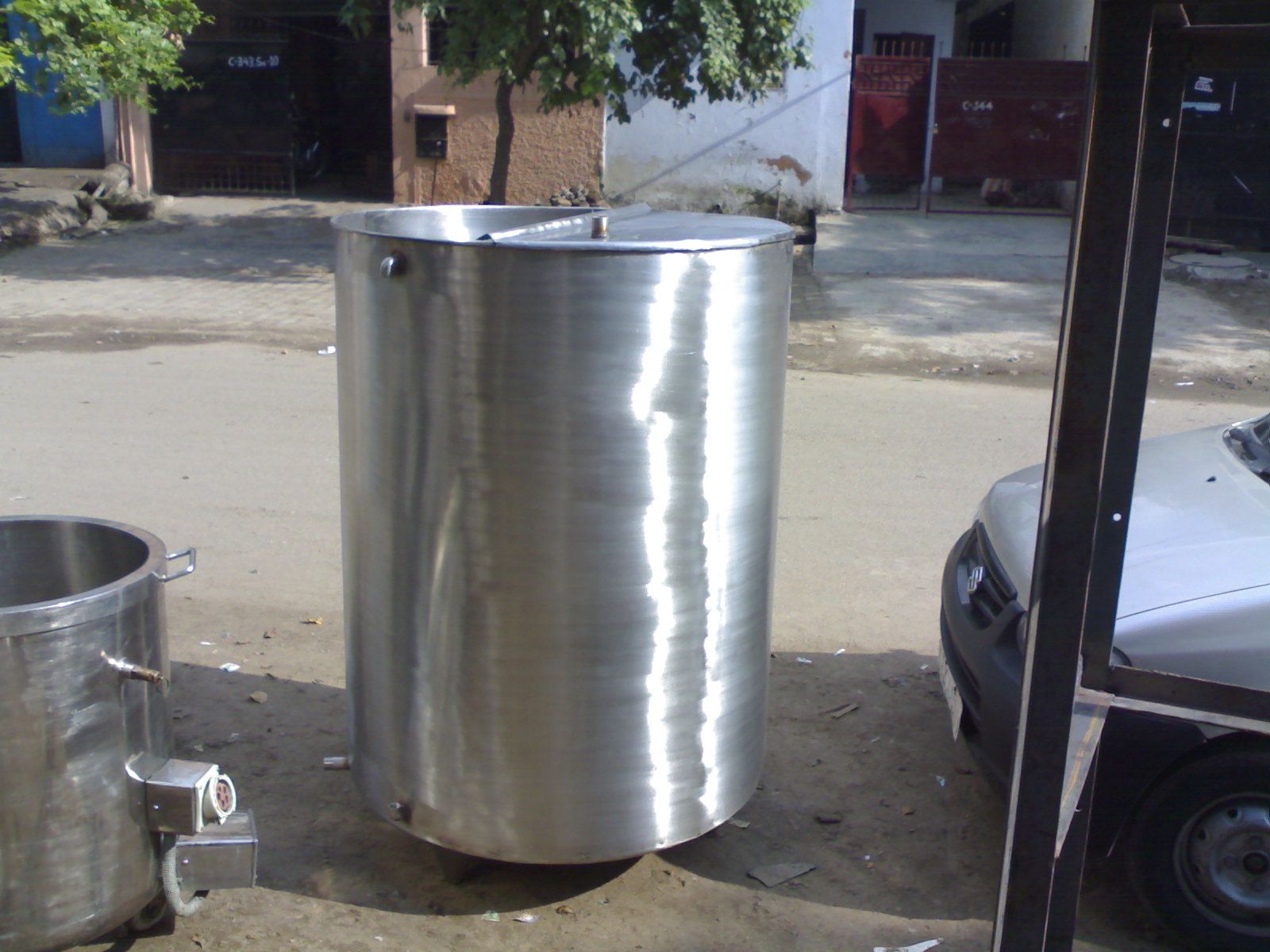

Hakka Noodle Making Plant Specification
- Product Type
- Hakka Noodle Making Plant
- Material
- Stainless Steel
- Computerized
- No
- Automatic
- No
- Control System
- Manual
Hakka Noodle Making Plant Trade Information
- Minimum Order Quantity
- 1 Piece
- FOB Port
- Noida
- Supply Ability
- 100 Pieces Per Week
- Delivery Time
- 1 Week
- Sample Policy
- Sample costs shipping and taxes has to be paid by the buyer
- Packaging Details
- as per clients requirments
- Main Export Market(s)
- Australia, South America, Eastern Europe, Western Europe, Middle East, Central America, Asia, North America, Africa
- Main Domestic Market
- All India
- Certifications
- iso9000
About Hakka Noodle Making Plant
A specialised production facility created for the effective and automated production of Hakka noodles is known as a Hakka Noodle Making Plant. A well-liked variety of Chinese noodles called Hakka noodles are renowned for their thickness and adaptability in a variety of recipes.
The following are the qualities and elements that a Hakka noodle manufacturing plant is likely to have:
1. Dough Mixing: To create a uniform and smooth dough, the facility has a dough mixing machine that combines flour, water, and other components. For the best dough quality, this equipment makes sure that the mixing and kneading are homogeneous.
2. Extruding noodles: Hakka noodles are made by extruding dough via a machine into the required form and thickness. Different sizes and types of noodles can be produced by the machine using interchangeable dies.
3. Cutting and Sizing: After extrusion, the noodles are cut with a cutting machine to the desired length. The noodles are sized accurately and consistently thanks to this equipment.
4. The facility might have a steam cooking equipment where the cut noodles are cooked to the proper consistency and texture. The noodles are normally steamed for a set amount of time during this operation.
5. After cooking, the noodles are chilled and dried to get rid of extra moisture. A cooling and drying conveyor system that enables effective air circulation and drying can do this.
6. Packaging: The noodles are ready for packaging after drying. To package the Hakka noodles in different formats, such as bags or boxes, the company could have packaging machinery like weighers, baggers, and sealing machines.
7. Automation and control systems are frequently installed in hakka noodle manufacturing facilities in order to monitor and manage the production process. These systems make sure that variables like dough mixing speed, extrusion rate, cooking time, and drying temperature are controlled consistently, effectively, and precisely.
8. Safety and hygiene standards are met by the factory, which includes elements like easily-cleanable surfaces, food-grade materials, and safety devices to safeguard employees and uphold food safety.
Advantages of a Hakka Noodle Plant:
1. Manufacture is carried out efficiently because to the plant's capacity for large-scale, automated Hakka noodle manufacture, which guarantees high output and constant quality.
2. Customization: To satisfy consumer preferences and market demands, the facility may be modified to create Hakka noodles in a variety of sizes, forms, and flavours.
3. Labour and Time Savings: Automated procedures eliminate the need for manual labour, enhancing productivity and reducing labour costs.
4. Consistent Quality: The Hakka noodles' texture, thickness, and flavour are all consistently of high quality because to the automated production method.
5. Regulatory criteria are met by the noodles thanks to the plant's characteristics for maintaining food safety and hygiene standards.
6. Scalability: The facility can be expanded or altered to meet changing production demands or to add new product variants.
By streamlining the manufacturing process and providing efficiency, uniformity, and customization possibilities, a Hakka Noodle Making Plant satisfies consumer demand for this well-liked Chinese noodle variation.
Reliable and Efficient Production
Designed for consistent performance, the Hakka Noodle Making Plant processes up to 100 liters per hour. Its manual control system allows operators to oversee each production phase closely, ensuring high-quality noodle output while minimizing operational complexities.
Hygiene and Food Safety Focus
The facility comes integrated with a modern CIP cleaning system and utilizes pasteurization for sterilization. Both these features help maintain stringent hygiene standards, offering peace of mind to food producers. Stainless steel construction further reduces contamination risks.
Adaptable and Durable Solution
Engineered according to industry color and construction standards, the plant boasts robust stainless steel architecture. Its air cooling functionality ensures smooth and steady operation, even in high-output scenarios, ensuring lasting service for businesses in India and beyond.
FAQ's of Hakka Noodle Making Plant:
Q: How does the Hakka Noodle Making Plant maintain product hygiene during production?
A: The plant utilizes a CIP (Clean-In-Place) cleaning system for effective internal sanitation and employs pasteurization as its sterilization method, ensuring noodles meet strict food safety standards.Q: What is the production capacity of the Hakka Noodle Making Plant?
A: This plant has a production capacity of 100 liters per hour, making it suitable for medium-scale commercial operations.Q: When is manual operation preferred in noodle manufacturing plants like this?
A: Manual control allows operators to closely supervise each step, ensuring product quality and enabling prompt adjustments during the production process.Q: Where is this noodle making plant commonly utilized?
A: As a versatile solution, this plant is widely used by manufacturers, exporters, service providers, and suppliers across India in various food processing environments.Q: What material is used in constructing the noodle making plant, and what are its benefits?
A: The plant is constructed from stainless steel, providing durability, resistance to rust and contamination, and simplifying cleaning, all of which are essential for food processing equipment.Q: How does the plant facilitate cooling during production?
A: It employs an air cooling mode, which helps maintain optimal operating temperatures and prevents overheating, ensuring efficient and stable performance.Q: What are the advantages of the integrated CIP cleaning system for users?
A: The CIP cleaning system automates the sanitation process, saving time and reducing labor while increasing safety by minimizing human contact with the food processing surfaces.Tell us about your requirement

Price:
Quantity
Select Unit
- 50
- 100
- 200
- 250
- 500
- 1000+
Additional detail
Mobile number
Email

More Products in Steam Boiling Tanks Category
CIP Systems
Price 25000 INR / Piece
Minimum Order Quantity : 1 Piece
General Use : CIP
Warranty : 12 month
Material : Stainless Steel
Automatic : No
Steam Boiling Tanks
Price 125000.00 INR / Unit
Minimum Order Quantity : 1 Unit
General Use : For industrial
Warranty : 12 monrh
Material : Stainless Steel
Automatic : No
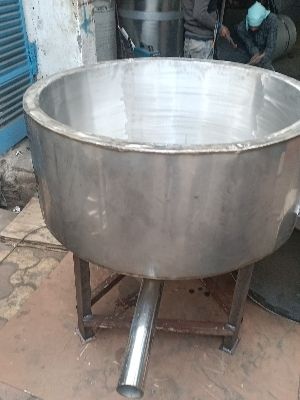
Conical Vat
Price 25000.00 INR / Piece
Minimum Order Quantity : 1 Number
General Use : For use in Pharma industries,dairy industries, bakery,chemical industries,honey processing industries,hurbal processing industries etc
Warranty : 12 month
Material : Stainless Steel
Automatic : No
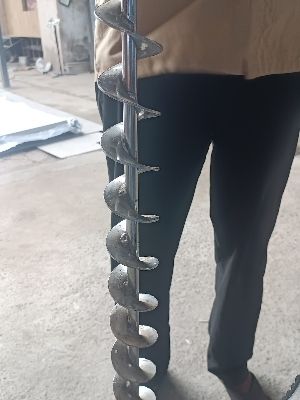
Screw Conveyor
Price 50000 INR / Unit
Minimum Order Quantity : 1 Meter
General Use : For material transfer
Warranty : 12 month
Material : Stainless Steel
Automatic : No

 Send Inquiry
Our Products


Plot No 349, Sector-10, Noida - 201301, Uttar Pradesh, India

Sales Executive
(CEO )
Mobile :07971190807
 Send Inquiry
 Send SMS
 Call Me Free
Developed and Managed by Infocom Network Private Limited.
