
Call us now :07971190807
 Send Inquiry
Milk Processing Plant
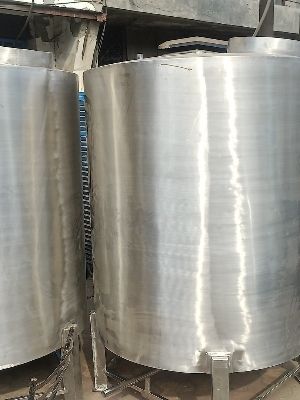

Milk Processing Plant Specification
- Product Type
- Equipment
- General Use
- Industrial
- Material
- Stainless Steel
- Type
- Dairy Milk Plant Machinery, Milk Production Plant, Dairy Production Machine
- Capacity
- 500 Liter/day
- Weight (kg)
- 300 Kilograms (kg)
- Computerized
- No
- Automatic
- No
- Cleaning System
- CIP Cleaning System
- Cooling Mode
- Other
- Motor Power
- 1 hp Horsepower (HP)
- Voltage
- 540 Volt (v)
- Dimension (L*W*H)
- 2500mm*1000mm*1250mm Millimeter (mm)
- Feature
- Good Quality, Low Energy Consumption, High Efficiency, Pasteurizer, Environmental Friendly
- Color
- Dairy colour
Milk Processing Plant Trade Information
- Minimum Order Quantity
- 1 Number
- FOB Port
- Noida india
- Payment Terms
- Paypal, Cash Against Delivery (CAD), Cash on Delivery (COD), Cash Advance (CA), Cash in Advance (CID), Cheque, Days after Acceptance (DA), Delivery Point (DP), Letter of Credit at Sight (Sight L/C), Telegraphic Transfer (T/T), Western Union, Letter of Credit (L/C)
- Supply Ability
- 10 Per Month
- Delivery Time
- 10 Days
- Main Export Market(s)
- Asia, Australia, Central America, North America, South America, Eastern Europe, Western Europe, Middle East, Africa
- Main Domestic Market
- All India
About Milk Processing Plant
An establishment that receives raw milk, processes it, and produces a variety of dairy goods for commercial distribution is known as a milk processing plant. The facility includes numerous processes, such as receiving milk, pasteurising, separating, homogenising, cooling, packing, and storing it. To assure safety and purity, raw milk is put under severe quality control procedures. Pasteurisation eliminates hazardous microorganisms, while homogenization and separation guarantee the proper consistency and fat content. To carry out these procedures effectively and preserve the integrity of the product, the factory makes use of specialised tools and technologies. The dairy business depends on milk processing facilities to meet consumer demand for safe, high-quality dairy products such milk, cream, butter, cheese, and yoghurt.
Excellent Build Quality and Durability
Manufactured with premium stainless steel, the plant withstands rigorous industrial conditions. Its solid construction prevents corrosion and ensures long-lasting performance, contributing to uninterrupted production cycles and minimal maintenance needs.
Efficient and Eco-Friendly Operation
Thanks to its low energy consumption and environmentally friendly design, this plant allows dairy producers to minimize their carbon footprint while maximizing output. The integrated CIP cleaning system supports hygiene standards and simplifies maintenance routines.
Pasteurization and High Output Capacity
The built-in pasteurizer ensures the safe processing of milk, meeting industry standards for quality. With a capacity of 500 liters per day and precise control over pasteurization, the plant supports a steady supply of dairy products for industrial use.
FAQ's of Milk Processing Plant:
Q: How does the CIP cleaning system in the milk processing plant function?
A: The CIP (Clean-In-Place) cleaning system automatically cleans internal surfaces such as pipes and tanks without disassembly, using circulating detergent and water solutions. This guarantees sanitary processing and reduces downtime.Q: What is the daily milk processing capacity of this plant?
A: The plant can process up to 500 liters of milk per day, making it suitable for small to medium-scale industrial dairy production.Q: When should the CIP cleaning cycle be performed in the milk processing plant?
A: It is advisable to run the CIP cleaning cycle after each production batch or at least once daily to maintain optimal hygiene and prevent contamination.Q: Where can this milk processing plant be installed?
A: This plant is designed for industrial settings and can be installed at dairy factories, processing units, or production facilities across India.Q: What benefits does the stainless steel construction offer?
A: Stainless steel provides robustness, resistance to corrosion, and sanitary surfaces, ensuring longevity and compliance with health standards in dairy processing.Q: Why does the plant operate at 540 volts, and how is it powered?
A: Operating at 540 volts ensures stable power for the 1 HP motor, supporting efficient processing. The plant is powered by industrial electrical supply to meet heavy-duty requirements.Q: How is the pasteurizer integrated into the milk processing plant?
A: The pasteurizer is built into the processing line, allowing for continuous heat treatment of milk to eliminate harmful microorganisms and ensure product safety.Tell us about your requirement

Price:
Quantity
Select Unit
- 50
- 100
- 200
- 250
- 500
- 1000+
Additional detail
Mobile number
Email

More Products in Dairy Products Machinery Category
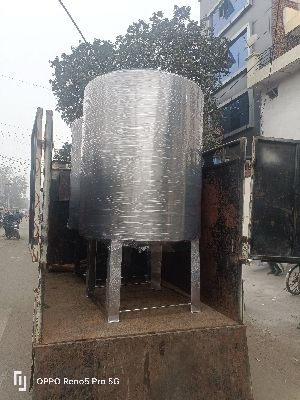
Stainless Steel Milk Storage silos
Price 120000.00 INR / Piece
Minimum Order Quantity : 1 Piece
Color : Stainless Steel
General Use : For Liquid Storagr
Product Type : Storage tank
Control System : Manual
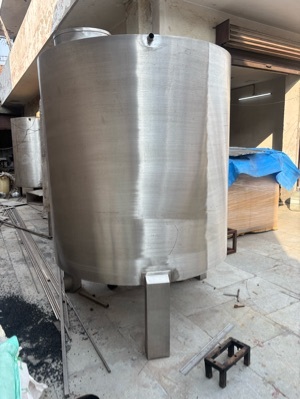
Industrial Water Storage Tanks
Price 25000 INR / Piece
Minimum Order Quantity : 1 Kiloliter
Color : Stainless steel
General Use : For industrial use
Product Type : Storage tanks
Control System : Manual
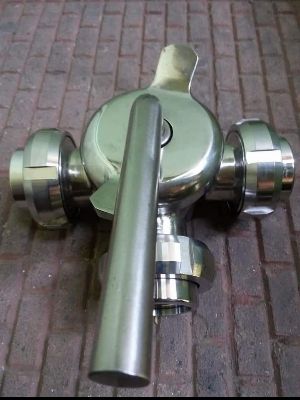
Stainless Steel Valves
Price 3500.00 INR / Piece
Minimum Order Quantity : 1 Number
Color : Stainless Steel
General Use : For use pipe line in dairy industries,and other industries
Product Type : Pipe fitting
Control System : Manual
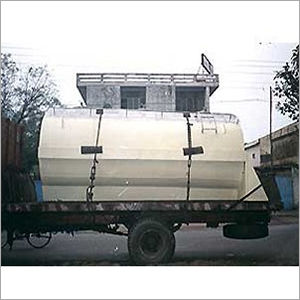
Milk Transportation Tanker
Price 250000 INR / Piece
Minimum Order Quantity : 1 Piece
Color : Sliver
General Use : INdustrial
Product Type : Milk Transportation Tanker
Control System : PLC Control

 Send Inquiry
Our Products


Plot No 349, Sector-10, Noida - 201301, Uttar Pradesh, India

Sales Executive
(CEO )
Mobile :07971190807
 Send Inquiry
 Send SMS
 Call Me Free
Developed and Managed by Infocom Network Private Limited.
