
Call us now :07971190807
 Send Inquiry
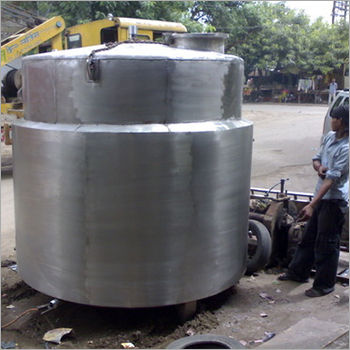
Milk Processing Plant
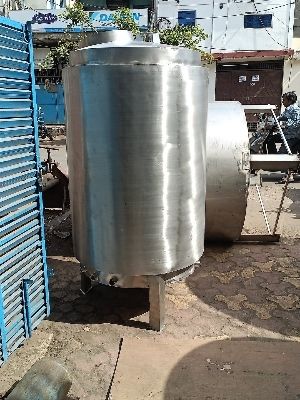

Milk Processing Plant Specification
- Type
- Dairy Milk Plant Machinery, Milk Production Plant, Dairy Production Machine
- Weight (kg)
- 200 Kilograms (kg)
- Computerized
- No
- Automatic
- No
- Cleaning System
- CIP Cleaning System
- Cooling Mode
- Air Cooling
- Sterilization Method
- Pasteurization
- Motor Power
- 10 hp Horsepower (HP)
- Voltage
- 440 Volt (v)
- Dimension (L*W*H)
- 1250mm Millimeter (mm)
- Color
- Stainless Steel
Milk Processing Plant Trade Information
- Minimum Order Quantity
- 1 Number
- FOB Port
- Noida
- Payment Terms
- Cash Against Delivery (CAD), Cash on Delivery (COD), Cash Advance (CA), Cash in Advance (CID), Cheque, Days after Acceptance (DA), Delivery Point (DP), Paypal, Letter of Credit at Sight (Sight L/C), Telegraphic Transfer (T/T), Western Union, Letter of Credit (L/C)
- Supply Ability
- 10 Per Month
- Delivery Time
- 4 Week
- Main Export Market(s)
- Asia, Australia, Central America, North America, South America, Eastern Europe, Western Europe, Middle East, Africa
- Main Domestic Market
- All India
About Milk Processing Plant
An establishment that receives raw milk processes it, and produces a variety of dairy goods for commercial distribution is known as a milk processing plant. The facility goes through a number of processes, including receiving milk, pasteurizing, separating, homogenizing, cooling, packaging, and storing it. To guarantee safety and purity, raw milk is subject to stringent quality control procedures. Pasteurization, which kills hazardous bacteria, cream extraction from milk, and homogenization, which ensures uniform texture, are all processing procedures. The facility makes optimal use of specialized machinery and packaging techniques to process and package dairy products such as milk, cream, butter, cheese, yogurt, and more. The dairy business depends on milk processing facilities to meet consumer demand for safe, high-quality dairy products.
Efficient and Hygienic Milk Processing
Our milk processing plant in stainless steel ensures the production of safe, high-quality dairy through reliable pasteurization and advanced air cooling. The CIP cleaning system streamlines maintenance while supporting rigorous hygiene standards. Its compact dimensions and 10 HP power make it suitable for small and medium-scale operations. This plant is well-suited to businesses seeking efficiency without compromising product safety.
Ideal for Indian Dairy Enterprises
Manufactured and supplied across India, this plant meets local industry needs, serving as a dependable solution for milk and dairy product processing. Its manual operation offers full control, and the 440V electrical requirement is compatible with standard Indian facilities. The equipment's portability and manageable size (200 kg) further enhance its adaptability.
FAQ's of Milk Processing Plant:
Q: How does pasteurization work in this milk processing plant?
A: Pasteurization in this plant involves heating raw milk to a specific temperature for a defined period, effectively eliminating harmful pathogens. This process is vital to ensure the safety and extended shelf life of dairy products.Q: What makes the air cooling mode advantageous for milk processing?
A: Air cooling helps preserve the freshness and taste of milk after pasteurization, while reducing water consumption compared to traditional cooling methods. It's an energy-efficient way to quickly lower milk temperature and maintain product quality.Q: When should the CIP cleaning system be used?
A: The CIP (Clean-In-Place) cleaning system should be used after every production cycle or batch. It thoroughly cleans internal surfaces without disassembling the machine, ensuring hygiene and preventing contamination.Q: Where is this milk processing plant best installed?
A: Given its compact footprint (1250mm L) and manual operation, this plant is well-suited for small to medium-sized dairies, commercial kitchens, or local dairy farms across India with suitable space and a 440V power connection.Q: What is the typical process flow in this milk production plant?
A: Milk enters the plant, is pasteurized under controlled conditions, quickly cooled using air cooling, and then routed through the CIP system for thorough cleaning post-process. The operator manages each step manually for precise quality control.Q: How does this machinery benefit dairy producers?
A: The plant provides consistent milk safety, easy maintenance via CIP, and operational efficiency with its compact, robust design. It aids producers in delivering superior dairy products and complying with industry standards.Tell us about your requirement

Price:
Quantity
Select Unit
- 50
- 100
- 200
- 250
- 500
- 1000+
Additional detail
Mobile number
Email

More Products in Dairy Products Machinery Category
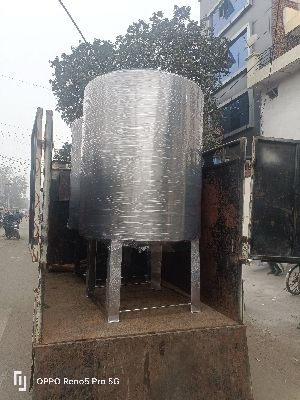
Stainless Steel Milk Storage silos
Price 120000.00 INR / Piece
Minimum Order Quantity : 1 Piece
Control System : Manual
Color : Stainless Steel
Material : Stainless Steel
Product Type : Storage tank
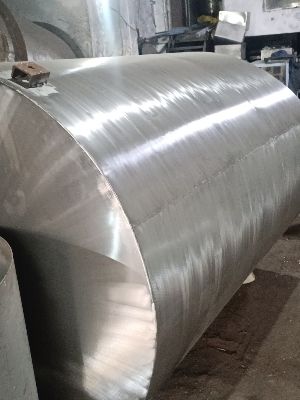
Pasteurized Milk Packing plant
Price 1000000.00 INR / Unit
Minimum Order Quantity : 1 Number
Control System : Manual
Color : Stainless Steel
Material : Other
Product Type : Machine
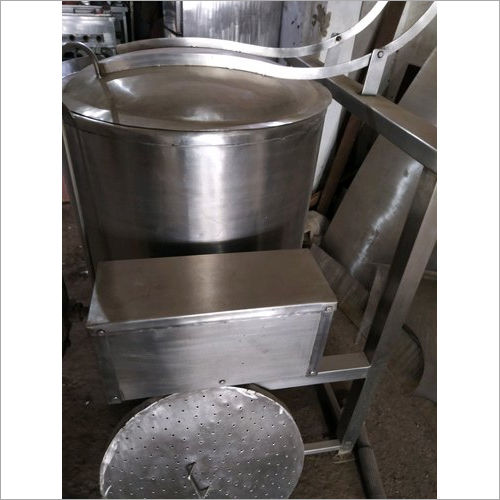
Tilting Type Boiling Kettle
Price 10000.00 INR / Piece
Minimum Order Quantity : 1 Piece
Control System : PLC Control
Color : Sliver
Material : Stainless Steel
Product Type : Tilting Type Boiling Kettle
Steam Jacketed Vessel
Price 20000.00 INR / Piece
Minimum Order Quantity : 1 , , Piece
Control System : PLC Control
Color : Sliver
Material : Stainless Steel
Product Type : Steam Jacketed Vessel

 Send Inquiry
Our Products


Plot No 349, Sector-10, Noida - 201301, Uttar Pradesh, India

Sales Executive
(CEO )
Mobile :07971190807
 Send Inquiry
 Send SMS
 Call Me Free
Developed and Managed by Infocom Network Private Limited.
