
Call us now :07971190807
 Send Inquiry
Stainless Steel Valves
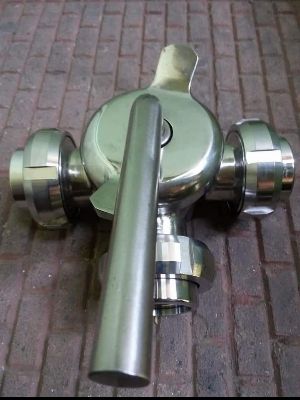

Stainless Steel Valves Specification
- Product Type
- Pipe fitting
- General Use
- For use pipe line in dairy industries,and other industries
- Capacity
- Milliliter (ML)
- Weight (kg)
- 2 kg to 20 kg Kilograms (kg)
- Computerized
- No
- Automatic
- No
- Control System
- Manual
- Cooling Mode
- Other
- Sterilization Method
- Other
- Feature
- Good Quality, Low Energy Consumption, High Efficiency, Environmental Friendly
- Color
- Stainless Steel
Stainless Steel Valves Trade Information
- Minimum Order Quantity
- 1 Number
- FOB Port
- Noida India
- Payment Terms
- Days after Acceptance (DA), Delivery Point (DP), Letter of Credit at Sight (Sight L/C), Telegraphic Transfer (T/T), Western Union, Letter of Credit (L/C), Cash Against Delivery (CAD), Cash on Delivery (COD), Cash Advance (CA), Cash in Advance (CID), Cheque
- Supply Ability
- 50 Per Week
- Delivery Time
- 10 Days
- Sample Available
- Yes
- Sample Policy
- Free samples are available
- Main Export Market(s)
- Asia, Australia, Central America, North America, South America, Eastern Europe, Western Europe, Middle East, Africa
- Main Domestic Market
- All India
About Stainless Steel Valves
Stainless steel valves are crucial parts used in a variety of sectors to control and regulate the flow of fluids or gases. Because stainless steel has great corrosion resistance, durability, and hygienic qualities, it is used to make these valves. Even in difficult situations, stainless steel valves deliver dependable performance and lifespan. Wide-ranging applications, such as those in the oil and gas, chemical processing, water treatment, pharmaceutical, and food and beverage sectors, are appropriate for them. The variety of stainless steel valve types, including ball valves, gate valves, globe valves, and check valves, allows for flexible flow control. They are a preferred option for industrial fluid control systems because of their dependability, resistance to corrosion, and capacity for hygiene.
Robust Construction and High Performance
These stainless steel valves are engineered to withstand the harsh conditions of industrial pipelines, making them perfect for use in dairy and other sectors. Their manual control system simplifies operation, ensuring straightforward handling while guaranteeing high efficiency and minimal energy use. The stainless steel body prevents corrosion and ensures the valves uphold their performance, even during prolonged use.
Versatile Industrial Applications
Ideal for industries requiring stringent hygiene and efficient fluid control, such as dairy plants, these valves suit multiple applications. The wide weight range indicates their suitability for both small and large-scale operations. As a trusted Indian supplier and exporter, we cater to both domestic and international clients, supporting a vast array of operational needs with a focus on sustainability.
FAQ's of Stainless Steel Valves:
Q: How are stainless steel valves installed in dairy industry pipelines?
A: Stainless steel valves are manually integrated into the pipeline system at designated control points. Their robust manual mechanism allows for quick on-site installation by standard industrial methods, requiring basic tools and minimal specialized equipment.Q: What are the primary benefits of using stainless steel valves in industrial settings?
A: These valves provide high resistance to corrosion, ensuring product purity and longevity. They offer efficient manual control, energy conservation, and are easy to maintain, making them highly cost-effective and environmentally friendly for diverse industrial applications.Q: When should a stainless steel valve be chosen over other materials?
A: Stainless steel valves are preferred when durability, hygiene, and resistance to corrosion are essential, particularly in dairy processing or environments exposed to moisture and chemicals. They are also ideal when manual operation and sustainability are priorities.Q: Where can these stainless steel valves be sourced and supplied?
A: These valves are manufactured and exported from India and are available through authorized suppliers, exporters, and service providers who support both local and international markets. Clients can contact manufacturers directly for bulk orders or customization needs.Q: What is the process for maintaining stainless steel valves in pipelines?
A: Routine maintenance involves periodic inspection for leakage, cleaning to remove residue, and checking for any signs of corrosion. Their design facilitates easy disassembly, allowing quick cleaning and part replacement without disrupting operations.Q: How does the manual control system of these valves work?
A: The valve features a hand-operated mechanism that allows users to manually open or close the flow path. This simple, non-computerized control provides precision and reliability, making it suitable for environments where automatic control is not required.Tell us about your requirement

Price:
Quantity
Select Unit
- 50
- 100
- 200
- 250
- 500
- 1000+
Additional detail
Mobile number
Email

More Products in Dairy Products Machinery Category
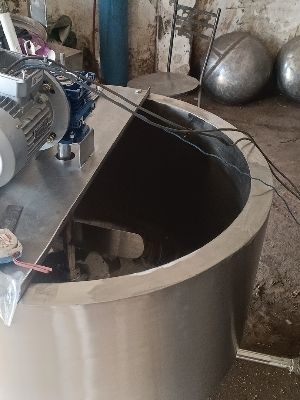
Ghee Plants
Price 2500000.00 INR / Ton
Minimum Order Quantity : 1 Quintal
Automatic : No
Color : Stainless Steel
Cleaning System : CIP Cleaning System
Computerized : No
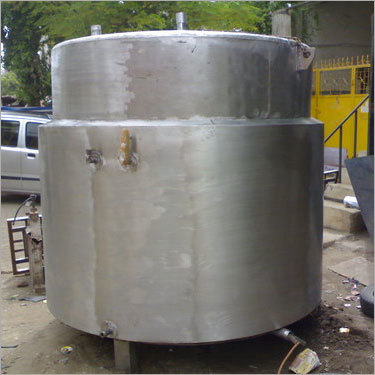
HAKKA NOODLES PLANTS
Price 4500000 INR / Piece
Minimum Order Quantity : 1 Piece
Automatic : Yes
Color : AS PER NORMS
Cleaning System : CIP Cleaning System
Computerized : No
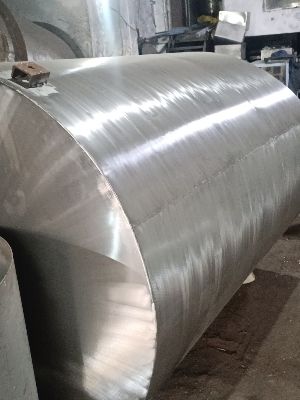
Pasteurized Milk Packing plant
Price 1000000.00 INR / Unit
Minimum Order Quantity : 1 Number
Automatic : No
Color : Stainless Steel
Cleaning System : Other
Computerized : No
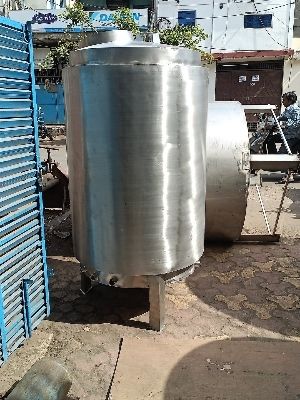
Milk Processing Plant
Price 50000.00 INR / Number
Minimum Order Quantity : 1 Number
Automatic : No
Color : Stainless Steel
Cleaning System : CIP Cleaning System
Computerized : No

 Send Inquiry
Our Products


Plot No 349, Sector-10, Noida - 201301, Uttar Pradesh, India

Sales Executive
(CEO )
Mobile :07971190807
 Send Inquiry
 Send SMS
 Call Me Free
Developed and Managed by Infocom Network Private Limited.
